
9 Practical Ways To Naturally Improve Dog Gut Health
“Listen to your gut” is a common phrase for humans…but did you know that this is true for dogs, too?
Just like humans, dogs have a gut (or gastrointestinal tract) where up to 80% of their immunity is located. The gut has become a topic of much interest in recent years, with some even nicknaming it the body’s “second brain” or even “forgotten organ.”
We now know that there are critical links between a dog’s gut health and their digestion, immunity, behavior, microbiome, cognitive function, and more.
This article provides actionable strategies to restore dog gut health, such as feeding a biologically appropriate diet, adding gut-friendly foods, performing gut microbiome testing, using FMT, and avoiding unnecessary medications.
Read on to learn more about the gut, signs of dysfunction, and the critical connection between diet and gut health.
Table of Contents
- What is dog gut health?
- The gut-brain axis
- Healthy versus unhealthy gut
- Causes of poor gut health in dogs
- Nine ways to naturally restore gut health
- Frequently asked questions
What is Dog Gut Health?
A dog’s gut microbiome (or GI tract) is a vast collection of microorganisms, fungi, and bacteria.
Typically, the initial healthy colonization of the gut happens in the womb and through the birth canal, supporting a dog’s health throughout their life.
A well-supported, diverse, and healthy gut is a major key to overall health, as the gut plays a vital role in bodily functions like nutrient absorption, metabolism, immunity, neurological function, and more.
Although the groundwork for gut health is established early in life, the microbiome is highly adaptable and evolves over time. A dog’s gut health can change (for better or worse) in response to diet, age, genetics, and environmental factors throughout life.
Many disorders, like IBD, leaky gut syndrome, mood disorders, obesity, allergies, and more, can be linked to an unhealthy or unbalanced gut.
The Gut-Brain Axis
Why do we describe being nervous as “having butterflies in our stomach?”
That’s because there’s a profound connection between the gut and the brain (mood, behavior, emotions, and more).
Our gut, as our “second brain,” is best explained by the enteric nervous system (ENS), a network of GI tract neurons that communicate directly with the central nervous system (CNS). The ENS is responsible for:
- Digestion
- Nutrient absorption
- Blood flow
- Enzyme and hormone secretion
- Certain immune responses
- Production of neurotransmitters like serotonin, GABA, and dopamine
When something is wrong in the gut, it has a significant impact on the brain, and vice versa. For example, this explains in part why a highly nervous or fearful dog might experience a bout of acute digestive issues.
Thus, the “gut-brain axis” refers to the vital communication between healthy gut bacteria and a healthy brain (or unhealthy bacteria to an unhealthy brain).
The role of neurotransmitters and hormones
Diving deeper, gut health can alter mood and even behavior through a few key neurotransmitters/hormones:
-
Dopamine. Did you know that a significant amount of the body’s dopamine is produced in the GI tract? It is responsible for GI functions like motility and secretion; dopamine also plays a major role in hormone regulation, motor function, decision-making, and is linked to stress and reward responses.
-
Serotonin. Serotonin is widely known as a chemical that promotes happiness and emotional positivity. The vast majority of it is produced in the intestines, linking emotional well-being directly to the gut.
-
GABA. Bacteria in the gut play a vital role in regulating GABA, a neurotransmitter that modulates stress, anxiety, and even sleep.
-
Norepinephrine. This is partially produced by the gut and influences blood pressure, energy levels, and stress response.
-
Acetylcholine. ACh is crucial for cellular communication and ensures proper digestive functionality.
Neurotransmitters like dopamine, serotonin, and GABA in the gut show how a dog’s behavior, mood, sleep, and health are influenced by its “second brain.”
Gut dysbiosis and leaky gut syndrome
Gut imbalance, or “gut dysbiosis,” describes an unhealthy state where potentially harmful bacteria overwhelm healthy bacteria.
Dysbiosis is very harmful—long-term, it is linked with an array of diseases like cancer, metabolic diseases, obesity, IBD, allergies, and even neurological decay. Research indicates that IBD affects up to 30% of dogs. Since the gut is so vital to immune regulation, dysbiosis can cause alarming whole-body effects.
Untreated, persistent gut dysregulation and dysbiosis can lead to chronic inflammation, intestinal barrier damage, and increased gut permeability (aka “leaky gut”).
Leaky gut describes cracks or holes in the digestive lining that allow food, yeast, toxins, allergens, and pathogens to leak into the bloodstream and the rest of the body. This permeability can lead to chronic skin, autoimmune, and GI issues.
Healthy Vs. Unhealthy Gut
Are you unsure whether your dog is experiencing health issues due to poor gut health? Check out the chart below to help:
| Signs of a Healthy Gut | Signs of an Unhealthy Gut |
|---|---|
| Regular digestion with minimal gas, bloating, or discomfort | Common bouts of diarrhea, vomiting, constipation, bloating, or gas |
| Small, firm stools | Mucus or blood in stool |
| Strong immunity and resilience to acute sickness | Frequent illnesses that are difficult to recover from |
| Stable mood and energy | Mood swings, aggression, excessive fatigue, reactivity, or chronic stress |
| Shiny, soft coat | Itchy skin, chronic skin issues, recurrent ear infections, excessive shedding |
| Healthy body score and weight stability | Major weight fluctuations; unhealthy weight loss or gain |
| Neutral or mild-smelling breath | Bad or foul-smelling breath (not caused by dental issues) |
| Consistent and healthy appetite | Sudden appetite changes |
| Hydrated and drinking water normally | Dehydration (drinking excessive amounts of water, panting, reduced urination, sunken eyes, and loss of skin elasticity) |
While a single issue may be unrelated to chronic gut issues, multiple signs together can indicate a more systemic problem.
Causes of Poor Gut Health in Dogs
Now that you understand what gut health is, you might be wondering…what causes poor gut health in dogs?
While this isn’t a simple answer, there are a few main culprits to consider:
-
Certain medications. Antibiotics (especially frequent or unnecessary use) can reduce the richness of a balanced gut flora. Antibiotics are known to harm beneficial bacteria, allowing pathogens to overgrow. Other drugs like NSAIDs, corticosteroids, and acid suppressants can cause microbial imbalance and dysbiosis. While medication is sometimes necessary, it’s important to consider potential side effects.
-
Poor-quality diet. Highly processed diets (like kibble) often contain excessive carbohydrates, low-quality proteins, low moisture content, and artificial ingredients that can contribute to chronic gut issues.
-
Sudden diet changes. Frequently changing a dog’s diet can cause dysbiosis or poor gut health symptoms. While some dogs do fine with change, others need a gradual transition between foods.
-
Aging. Senior dogs naturally produce less digestive fluid and stomach acid, which can cause GI issues and inflammation. Aging is also associated with a decline in microbiome diversity.
-
Acute infections. Bacterial or viral infections (and even parasites) can temporarily disrupt gut balance, leading to dysbiosis.
-
Food allergies. Consumption of food allergens can lead to chronic inflammation and damage the gut barrier.
-
Chronic stress and environmental factors. Other less common causes of gut dysbiosis include intense, persistent emotional or physical stress that influences the gut-brain axis. Environmental chemicals, such as pesticides, heavy metals, and herbicides, can also affect barrier integrity.

The link between diet and gut health
Did you know that there is a close connection between a dog’s diet and gut health?
Historically, dogs descended from wolves, which thrive on high-protein, moderate-fat, and low-carbohydrate diets. This natural macronutrient ratio supports the vital functions of their digestive systems and overall health.
Highly processed foods (like kibble) contain:
- Low-quality protein sources
- Too many carbohydrates (biologically inappropriate)
- Low bioavailability
- Low moisture content
- Artificial and extruded ingredients
These factors can cause poor gut microbiota diversity, inflammation, and imbalanced digestion. This explains why dogs eating only processed foods may experience chronic digestive issues.
On the other hand, the best dog food for gut health is made from whole, fresh ingredients. Fresh food supports a flourishing gut much better than processed foods. Whole food diets contain:
- High-quality protein sources
- High moisture content
- Fiber
- Probiotics
- Biologically appropriate nutrition (meat, bones, organs)
- Natural ingredients
- High bioavailability
Whole foods can support a dog’s body and heal the microbiome by reducing inflammation and promoting a thriving gut microbiota.
Raw diets, in particular, contain populations of beneficial bacteria such as Lactobacillus and Bifidobacterium, which increase nutrient absorption, protect against pathogens, and strengthen the gut barrier.
9 Ways to Naturally Restore Dog Gut Health

1. Feed a Biologically Appropriate Diet
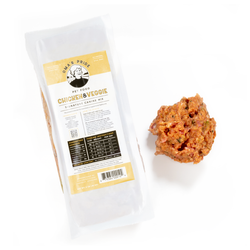
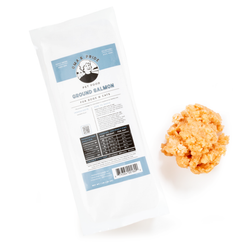
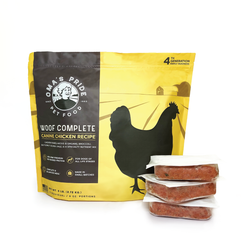
One of the best things you can do for your dog’s gut health is feed them the best fuel: a fresh, raw, nutrient-dense diet to promote optimal thriving.
Dogs are carnivores; fresh, biologically appropriate, and ideal food for dogs includes meat, bones, and organs. It can also include other ingredients like oils, vegetables, eggs, seeds, and dog-safe fruit.
Due to their biology, excessive fillers or carbohydrates can negatively affect a dog’s gut microbiota. Most commercial kibble recipes contain upwards of 40-60% carbohydrates from sources like oatmeal, potatoes, peas, rice, and corn.
Why are excessive carbohydrates harmful?
These starchy (sugary) ingredients are biologically inappropriate and can lead to gut dysbiosis by promoting harmful bacterial growth, reducing the diversity of beneficial bacteria, and even causing reduced nutrient absorption.
Over a long period of time, eating an exclusively ultra-processed diet can lead to gut dysbiosis, chronic inflammation, and eventually issues like leaky gut.
The good news?
Feeding any amount of fresh, raw dog food can positively impact your dog’s health. Even if you can’t feed 100% raw food, you can:
- Add raw food toppers to kibble
- Rotate between kibble and raw (one meal in the morning and one in the evening)
- Combine kibble and raw in every meal
- Feed raw treats
- Choose higher-quality kibble with fewer fillers and better protein sources
If your dog is experiencing gut issues, try incorporating as many raw, whole foods as possible into their diet.

Explore Products


2. Add Gut-Friendly Foods
No matter what type of diet you feed, you can boost dog gut health with select foods and herbs:
-
Fibrous foods (soluble). Soluble fiber helps to soothe and regulate the GI tract. Try 100% canned pumpkin (no spices), sweet potato, oats, blueberries, apples, chia seeds, or flax seeds to help stabilize stool, slow digestion, and feed beneficial bacteria.
-
Fibrous foods (insoluble). Insoluble fiber supports motility and digestive health. Try incorporating green beans, carrots, celery, leafy greens like kale, and broccoli into the diet.
-
Lean protein. Dogs experiencing digestive issues do well eating leaner proteins like turkey breast, chicken breast, and eggs. These proteins are easy on the stomach, low in fat, nutrient-dense, and gentle enough to support the digestive system.
-
Apple cider vinegar. When used in limited amounts, raw, organic, and unfiltered ACV can stabilize stomach acidity and support gut bacteria. Feed diluted in water or food (never feed it undiluted). Start small with 1 tsp per 20 lbs of body weight.
-
Mushrooms. Store-bought (not wild) mushrooms offer powerful gut and immune benefits. Mushrooms with medicinal properties include oyster, reishi, lion’s mane, turkey tail, Chaga, shiitake, and more. They contain beta-glucans, fiber, and antioxidants to support optimal gut function.
-
Chicory root. Chicory root is rich in a prebiotic fiber called inulin that feeds beneficial gut bacteria, provides anti-inflammatory effects, and can promote nutrient absorption. For a specific dosage, ask a holistic practitioner what is right for your pup.
-
Slippery elm bark. Slippery elm is a popular herb that acts as a laxative and secretes mucilage. Mix ¼ a teaspoon of powder with water for every 10 lbs of body weight.
-
Bone broth. Collagen, gelatin, glycine, and glutamine in bone broth strengthen the gut lining, soothe GI inflammation, and protect mucus against stress. It’s also a great source of intracellular hydration.
Please note that dogs have trouble breaking down raw plant cell walls. For foods like pumpkin, sweet potato, carrots, green beans, celery, mushrooms, and more, it’s best to use light cooking methods such as steaming, blanching, simmering, or pureeing first to reduce GI upset, increase fiber bioavailability, and improve nutrient absorption.
As a good rule of thumb, always feed fibrous foods in moderation, as a little can go a long way. If helpful, you can follow a raw feeding model like BARF, which recommends 7% vegetables, 2% seeds or nuts, and 1% fruit daily.

3. Give Prebiotics, Probiotics, & Postbiotics
Incorporating prebiotic, probiotic, and postbiotic foods and supplements into your dog’s diet can strengthen and improve gut health. All three elements are important; however, they each play a unique role in the digestive tract.
| Prebiotics | Probiotics | Postbiotics |
|---|---|---|
| Nondigestible fibers and compounds that feed beneficial gut bacteria. | Live and active microorganisms. | The beneficial compounds produced after bacteria ferment prebiotics in the gut. |
For optimal gut health, pair prebiotics with probiotics and allow natural fermentation to produce beneficial postbiotics.
Prebiotics
Prebiotics include fructans (inulin and FOS or fructooligosaccharides), MOS (mannan-oligosaccharides), GOS (galacto-oligosaccharides), as well as pectin, resistant starch, and mucilage. These dietary fibers work to boost the growth of beneficial bacteria in the gut.
Prebiotics promote digestion and fermentation, producing short-chain fatty acids that support the growth of beneficial bacteria. In the long term, prebiotics strengthen the immune system and reduce inflammation; they can also help restore gut balance after bouts of illness.
Dog-safe, prebiotic-rich foods and supplements include:
- Select vegetables (pumpkin, asparagus, butternut squash, carrots, leeks, beets, broccoli, leafy greens)
- Certain fruits (apples, bananas, blueberries, pears)
- Seeds (flaxseed, chia seed)
- Herbs (burdock root, chicory root, dandelion greens)
- Store-bought mushrooms (shiitake, oyster, turkey tail, lion’s mane, and more)
- Mannan-oligosaccharides from yeast, like Saccharomyces cerevisiae
- Psyllium husk
- Larch arabinogalactan
- Green beef tripe
Tip! For daily maintenance, try incorporating prebiotic-rich whole foods into your dog’s bowl. During illness or after taking antibiotics, consider buying a targeted supplement from a store. You can also use prebiotic-supporting herbs during times of stress, such as echinacea and astragalus (under veterinary guidance).

Probiotics
Probiotics are live, healthy bacteria and other microorganisms that support immune function, digestion, gut balance, and overall well-being. While probiotics for dogs can be beneficial at any time, they are especially useful after times of medication use (antibiotics), illness (diarrhea or vomiting), or stress.
Specific probiotic strains that are very beneficial for dogs include:
-
Saccharomyces boulardii. This antibiotic-resistant yeast strain has many benefits, including recolonizing the gut microbiota, stabilizing the gut barrier, and boosting mucosal immunity. It targets digestive issues, especially those related to chronic inflammation.
-
Bacilli strains. These spore-forming beneficial strains target chronic inflammatory conditions such as IBD (inflammatory bowel disease) and colitis by enhancing colonic water absorption. Bacilli are especially useful in conjunction with Enterococcus faecium.
-
Pediococcus acidilactici. Typically used with B. subtilis, this strain reduces recovery time after gastroenteritis.
-
Akkermansia muciniphila. This bacterial strain has been shown to improve intestinal barrier function and reduce inflammation in animal studies. This strain is especially useful for IBS (irritable bowel syndrome).
One of the best ways to administer probiotics to dogs is to mix them into plain yogurt and water on an empty stomach before mealtime. This ensures the mixture reaches the gut quickly and won’t be damaged by a dog’s strong digestive acid.
There is some debate over whether to buy only probiotics formulated for dogs or whether those created for human consumption are acceptable. Benefits of dog-specific probiotic supplements include knowing they are formulated for canines; however, they can be much more expensive than human-formulated capsules.
Ultimately, you have to choose what you’re most comfortable with. You can always get specific brand advice from your holistic veterinarian to ensure you’re feeding the most beneficial probiotics for your dog’s particular needs.
Finally, aside from supplements, there are other ways to incorporate probiotics in your pup’s diet through foods like goat kefir or small amounts of bananas or sweet potatoes.
Trying out kefir for the first time? Goat kefir is a rich source of probiotics, calcium, and protein. It is more digestible than cow kefir. Start small with 1 tablespoon a day for small dogs, 2 tablespoons a day for medium dogs, and 3 tablespoons a day for large dogs. Always watch for allergies or digestive issues when introducing new foods, such as kefir.
Probiotic Highlight: Digestive Performance
Oma’s Pride Digestive Performance is a convenient probiotic supplement designed to support gut health in dogs and cats—especially those with sensitive stomachs or digestive concerns. It is crafted with powerful, bioavailable ingredients for total digestive support.

This premium formula delivers multiple strains of beneficial bacteria, along with naturally occurring digestive enzymes, to help support nutrient absorption, immune function, and a balanced gut microbiome. It’s particularly helpful when:
- Transitioning from kibble to fresh or raw food
- Supporting digestion after illness, antibiotics, or stress
- Adding probiotic support without the smell of green tripe
- Looking for an easy, daily gut health solution
Digestive Performance pairs well with a fresh, biologically appropriate diet and can help maintain long-term digestive resilience.
Postbiotics
Postbiotics “eat” fermented prebiotics in the gut, resulting in beneficial compounds like short-chain fatty acids, peptides, and enzymes. These compounds provide the body with benefits such as immune system support, improved digestion, and better nervous system health.
Dog-friendly fermented foods rich in postbiotics include:
-
Yogurt. Plain and unsweetened.
-
Sauerkraut. In small amounts and low in salt.
-
Miso/tempeh. In small quantities and MSG-free.
-
Fermented vegetables. Carrots, beets, or cabbage fermented without vinegar and low in salt.
4. Boost Hydration
One often overlooked factor in gut health is hydration. Water is essential for every part of a dog’s body to function properly (especially the digestive system).
Water is needed to moisten food, activate digestive enzymes, break down food, maintain the intestinal mucus barrier, and work with fibers to keep stool normal.
Many dogs are chronically dehydrated at the cellular level, especially when they eat only dry kibble. This can lead to poor digestion and inefficient elimination.
Raw, fresh diets include foods with a high moisture content, helping dogs stay hydrated and remain healthy. However, you can also boost your dog’s hydration by using these toppers:
-
Bone broth. This liquid is typically appealing to dogs due to its meaty flavor. Pouring it on top of kibble can enhance hydration from the beginning of the digestive process.
-
Goat milk. Goat milk is another palatable liquid to add to the bowl to increase intracellular moisture in food (especially kibble).
-
Fresh food toppers. Adding dog-friendly fresh food toppers, such as fruits or steamed vegetables, can help digestion.
-
Offer water with honey. Some dogs are reluctant to drink plain water. You can add some raw honey to a bowl of water to ensure they drink enough during bouts of acute sickness. However, don’t do this too often, as too much sugar isn’t suitable for dogs.
5. Manage Stress
Stress has a negative impact on humans and dogs. Primary stressors for dogs include moving, traveling, boarding, illness, meeting new people or pets, loud noises, or even stress from their owners.
When a dog is stressed, they enter a “fight-or-flight” mode. This can lead to slowed digestion, a more sensitive gut barrier, and stool changes.
Although some stress is unavoidable, chronic stress can directly harm digestion and gut balance. Even in times of short-term stress, it’s important to keep an eye on how it impacts your dog’s gut health.
Here are some simple tips to reduce your dog’s stress and improve gut health:
-
Follow a routine. Keep your dog’s routine as normal as possible, even while traveling or moving, to help bodily regulation.
-
Exercise. Regular physical activity can minimize the impact of stress and keep your dog more resilient to change.
-
Create a safe, quiet space. Dogs are naturally cave-dwelling animals. Most dogs need a place to go when they are overly stressed. Set up a quiet, dark space for them to rest alone.
-
Use CBD, homeopathy, or calming supplements. Some dogs benefit from added mood-regulating supplements, especially in times of stress. Ask your holistic veterinarian if they recommend a specific product for your dog.
6. Perform Microbiome Testing
For more tailored recommendations on your dog’s gut balance, test their microbiome using fecal samples and DNA testing. You can buy popular testing kits from companies like Embark and Animal Biome.
Different companies offer unique insights, but should generally:
- Analyze key health markers
- Identify harmful bacteria and pathogens
- Identify existing beneficial bacteria
- Share a bacterial diversity profile
You can use this information to pinpoint specific issues like IBD, leaky gut syndrome, chronic diarrhea or vomiting, chronic inflammation and itchiness, and allergies.
The results from dog microbiome testing can help you (and your holistic veterinarian) build a customized diet and supplement plan for your pup.
7. Use FMT (Fecal Microbiota Transplant)
FMT, or Fecal Microbiota Transplant, is a way to restore your dog’s gut balance by populating the gut with a healthy donor’s fecal material. A few companies, like Legacy Biome and Animal Biome, sell easy-to-use capsules from legacy donors to make this process easy.
A few products on the market offer FMT from dogs fed a raw, whole-food diet, which can be especially beneficial for repopulating the gut with healthy bacteria.
You can expect to see improvements in certain conditions within a few days of starting FMT capsules. Improved appetite, reduced itching, and better stool consistency are some of the earliest signs.
Over a few weeks or months, many dogs experience relief with more complex issues such as:
- IBD
- Chronic gut imbalance
- Better breath
- Reduced vomiting and diarrhea
- Better overall digestion
- Fewer allergic reactions
- Improved mood and appetite
FMT can kickstart your dog’s journey to restoring gut balance. It’s another tool beyond diet, exercise, testing, and supplementation to “reboot” the gut at the source.
8. Maintain a Healthy Weight
An often-overlooked factor in improving gut health is maintaining a healthy weight or body condition score (BCS).
Studies have shown that weight loss in dogs can even “influence the gut microbiota composition and reduce the inflammatory response and oxidative stress” (source).
Obesity negatively affects the body on many levels, including poor digestion, reduced nutrient absorption, chronic inflammation, reduced bacterial diversity, metabolic issues, and more.
Although getting your dog’s BCS to a healthy level is not easy, implementing many of the suggestions in this blog will help.
If possible, start feeding a species-appropriate, whole-foods diet, incorporating as many prebiotics, probiotics, and postbiotics as possible. Then, ensure your pup gets an appropriate amount of exercise each day. Over time, your dog should experience less inflammation and a leaner body condition.

9. Avoid Unnecessary Medications & Toxins
One of the top culprits of destroying gut balance is the overuse of medications, especially antibiotics.
In some cases, medications are beneficial and necessary. However, antibiotics are often prescribed quickly without full consideration of their negative effects on the gut microbiome. For example, metronidazole is routinely prescribed for repeated diarrhea, which can actually do more harm than good in the long run.
Antibiotics are harmful to the gut because they kill all bacteria, good and bad. This can lead to reduced microbial diversity, overgrowth of harmful pathogens, and impaired nutrient absorption.
Other medications that can disrupt the gut include:
- Corticosteroids
- NSAIDs
- Dewormers
- Antacids
- Stacked or unnecessary vaccinations
- Immunosuppressive drugs
- These medications can disrupt the gut by damaging the intestinal lining, altering stomach acid, and suppressing immunity.
Medications are necessary in some cases. While the goal should not be to avoid them entirely, keep in mind that they can harm gut balance. In cases where medication is unavoidable, support and repopulate your dog’s gut before, during, and after treatment to reduce the harmful side effects.
You can avoid unnecessary medications by preventively keeping your dog healthy with appropriate nutrition, hydration, and microbiome support.
10. Bonus: Practice Routine Detoxification & Fasting
Did you know that routine fasting can help your dog’s body (and gut) rest, heal, and regenerate?
In our world, avoiding every toxin or pesticide is nearly impossible. However, fasting is a tool to boost your dog’s gut by allowing the body to rest from digestion and focus on other activities, like detoxification. Fasting mimics how wolves eat in the wild.
A fasting state begins after about 12 hours without eating any food or treats. Water should always be available. There are two popular methods of routine fasting:
-
Method 1. Dogs can fast for 24-48 hours a few times a month.
-
Method 2. Dogs eat all meals within an 8-hour window, allowing them to eat daily while still getting the benefits from fasting. This is also known as “intermittent fasting.”
Beneficial bacteria flourish in the gut during fasting, leading to better gut health, injury recovery, cell regeneration, and boosted immunity.
Please note that fasting isn’t recommended for puppies, seniors, or dogs with certain health conditions.
Frequently Asked Questions
How do I improve my dog’s gut health naturally?
You can naturally improve your dog’s gut health by feeding a fresh, biologically appropriate diet, adding in prebiotics and probiotics, keeping them hydrated, practicing fasting, managing stress, using FMT, and avoiding unnecessary medications.

About the Author

Leave a comment
Your email address will not be published. Required fields are marked with *